
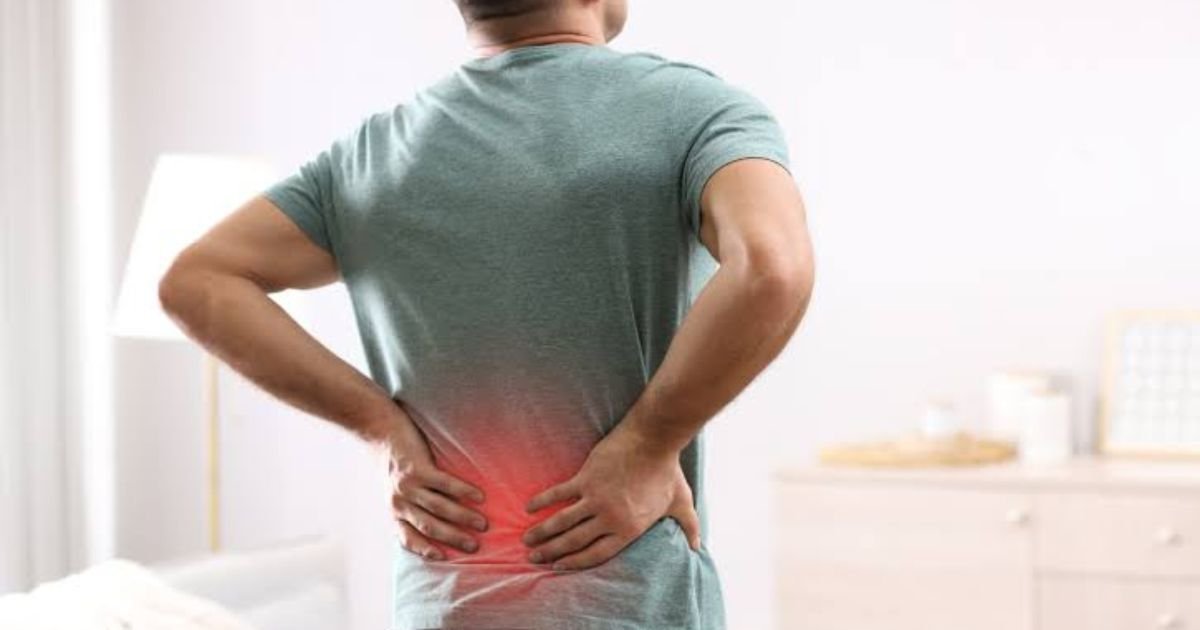
Back pain can make activities like sitting, driving, or bending feel difficult. When discomfort stays around your spine instead of traveling down your arms or legs, it may be Axial Spine Pain. This type of discomfort can involve spinal discs, facet joints, muscles, or supporting ligaments. Some people experience Localized Back Pain after lifting or prolonged sitting while others notice recurring stiffness without a clear trigger. Understanding causes and recognizing Low Back Pain Symptoms can help you make decisions about care.
For residents of Beaver Falls, PA, knowing when to seek medical advice and which Non-Surgical Treatment options may help can support a path toward recovery and better movement. Early assessment can identify warning signs that need attention.
1: What Is Axial Spine Pain?
The spine is a complex structure that supports your body and allows everyday movement. When discomfort develops around this area, doctors may describe it as axial pain. Axial Spine Pain refers to discomfort centered in or around the spinal region. It commonly affects the neck and lower back, although the middle back can also experience similar symptoms.
Unlike nerve-related pain, this condition generally remains near its original location. You might experience Localized Back Pain around your spine without shooting sensations into your arms or legs. The discomfort can feel mild at first. However, certain movements may increase its intensity and interfere with daily activities.
Understanding Mechanical and Non-Specific Spine Pain
Not every painful episode has an obvious structural explanation. Mechanical Back Pain often develops when movements, physical loading, or specific positions irritate tissues around the spine. For example, bending repeatedly while lifting heavy objects may strain supporting muscles or spinal joints. Sitting for hours can also aggravate existing discomfort.
Doctors sometimes use the term Non-Specific Low Back Pain when they cannot confidently identify one exact structure responsible for symptoms. This does not mean your pain is imaginary. Instead, several tissues may contribute simultaneously. Treatment usually focuses on improving movement, reducing discomfort, and restoring everyday function.
Acute, Subacute, and Chronic Axial Spine Pain
The duration of discomfort helps healthcare professionals understand its progression. Acute episodes generally last fewer than six weeks, while subacute symptoms continue for approximately six to twelve weeks. Pain lasting longer than twelve weeks commonly falls into the chronic category.
Chronic Low Back Pain may require a more individualized management plan. Your provider might examine physical, occupational, and lifestyle factors. The goal is not simply to reduce discomfort temporarily. It also involves improving strength, movement, sleep, and your ability to complete everyday tasks.
2: Common Causes and Risk Factors of Axial Spine Pain
Understanding possible causes helps explain why spinal discomfort affects people differently. One person may develop pain after lifting a heavy box while another experiences gradual stiffness over several years. Several conditions can contribute to Axial Spine Pain, and more than one factor may exist simultaneously.
Age-related changes, repetitive movements, injuries, and reduced muscle conditioning can influence spinal health. However, finding an abnormality on an imaging test does not automatically prove that it causes your symptoms. Doctors must consider the complete clinical picture before recommending treatment.
Degenerative Disc Disease and Discogenic Back Pain
Spinal discs act like cushions between neighboring vertebrae. They help distribute physical forces and allow your spine to bend comfortably. As you age, these discs may lose some moisture and flexibility. This process is commonly associated with Degenerative Disc Disease.
A Degenerated Disc may sometimes contribute to localized discomfort, especially when surrounding tissues become irritated. However, disc degeneration also appears in people without back pain. A Herniated Disc can create additional problems when disc material irritates nearby nerves. Therefore, symptoms and examination findings matter more than an imaging result alone.
Facet Joint Problems and Spinal Arthritis
Small joints called facet joints connect neighboring vertebrae along the back of your spine. They guide movement and help maintain spinal stability. Over time, cartilage changes or joint irritation can contribute to stiffness and discomfort.
Facet Joint Problems may produce localized pain that becomes more noticeable during twisting, bending, or extending your back. Some people experience tenderness around the affected region. However, physical examination and imaging findings cannot always confirm that a specific facet joint generates the pain.
Muscle Strains, Ligament Injuries, and Soft Tissue Damage
Your back depends on several tissues working together during movement. Sudden lifting, awkward twisting, sports activities, or repetitive work can strain supporting muscles. Ligaments may also become irritated after excessive stretching or an injury.
This type of Soft Tissue Damage can produce tenderness, stiffness, and movement-related discomfort. Your Muscles, Ligaments, and Tendons help stabilize your spine throughout the day. When these tissues become irritated, ordinary activities can feel surprisingly difficult. Gradual rehabilitation often helps restore comfortable movement.
Lifestyle and Age-Related Risk Factors
Daily habits can influence how well your spine tolerates physical stress. Prolonged Sitting, limited exercise, poor lifting techniques, and inadequate recovery may contribute to recurring symptoms. Occupations involving repetitive bending or heavy lifting can create additional physical demands.
Smoking, excess body weight, and poor sleep may also influence back health. Importantly, these factors do not mean you caused your pain. They simply provide opportunities for improving your overall physical condition and reducing avoidable strain.
3: Symptoms and Characteristics of Axial Spine Pain
Recognizing the symptoms can help you explain your experience during a medical appointment. People may describe Axial Spine Pain in different ways because pain intensity and sensation vary between individuals. Some notice discomfort after sitting while others experience stiffness during movement or physical activity.
The discomfort may develop gradually or appear after a particular injury. It can also change throughout the day. Understanding these patterns helps doctors investigate possible causes and choose appropriate next steps.
Common Signs and Symptoms of Axial Spine Pain
The most noticeable feature is discomfort centered around the spine. You might experience Sharp or Dull Pain depending on the underlying problem and irritated tissues. Some people describe a deep ache while others notice sudden discomfort during certain movements.
Symptoms can include tenderness, stiffness, reduced flexibility, and difficulty maintaining one position. Constant or Intermittent Pain may occur depending on the condition. Some episodes remain mild while others produce Mild to Severe Pain that affects work, exercise, and sleep.
Activities and Positions That Make Back Pain Worse
Movement patterns can reveal important details about your symptoms. Pain With Certain Activities may occur during lifting, running, bending, or twisting. Similarly, Pain With Specific Positions can become noticeable when you sit for extended periods or stand without changing position.
Many people experience discomfort during Mechanical Low Back Pain episodes after repeated physical stress. Others notice symptoms following long car journeys or desk work. In some cases, Pain Relief Through Rest provides temporary comfort. However, prolonged bed rest can increase stiffness and delay the return to normal activity.
How Axial Back Pain Affects Everyday Activities
Even moderate discomfort can interfere with ordinary responsibilities. You may struggle to load groceries, clean your home, climb stairs, or complete a full workday. Sleeping comfortably can also become difficult when certain positions increase tenderness.
These limitations sometimes create frustration and worry. However, reduced activity does not necessarily mean your spine has suffered permanent damage. A suitable treatment plan can gradually rebuild confidence and improve physical function.
4: Where Is Axial Spine Pain Located?
The spine contains several regions with different structures and movement demands. Understanding Pain Distribution can help explain where discomfort develops and which tissues deserve examination. Although many people associate axial pain with their lower back, similar symptoms can affect other spinal areas.
The Lower Back Region receives considerable mechanical stress during lifting, bending, and prolonged sitting. Meanwhile, the neck and middle back support different movements and postural demands. Your healthcare professional will consider the affected region alongside your symptoms and physical examination.
Cervical Axial Spine Pain: The Neck Region
The cervical spine contains seven vertebrae that support your head. Its structures allow you to look upward, downward, and from side to side. Muscle strain, joint irritation, and age-related changes may contribute to localized neck discomfort.
You might notice stiffness after sleeping in an awkward position or working at a computer. Turning your head may also become uncomfortable. However, neck pain accompanied by arm weakness, numbness, or tingling requires additional evaluation for possible nerve involvement.
Thoracic Axial Spine Pain: The Middle Back
The thoracic spine extends through your upper and middle back. It connects with the ribs and helps protect important structures inside your chest. Compared with the neck and lower back, this region has less movement.
Muscle tension, joint irritation, and certain spinal conditions can produce discomfort around the shoulder blades or middle back. Persistent thoracic pain deserves attention, particularly when it follows an injury or occurs alongside chest symptoms, breathing difficulty, or other concerning changes.
Lumbar Axial Spine Pain: The Lower Back
The lumbar spine carries substantial weight during standing, walking, bending, and lifting. Its five vertebrae provide support while allowing considerable movement. Consequently, this region commonly experiences mechanical stress.
Axial Low Back Pain usually centers around the lumbar area instead of following a specific nerve pathway. You might notice aching after household work or stiffness following a long drive. Although many episodes improve with conservative care, persistent symptoms deserve medical assessment.
Localized Spine Pain vs. Referred Pain
Sometimes discomfort spreads beyond the original source without following an irritated spinal nerve. Doctors call this Referred Pain. For example, irritation around certain spinal joints may produce discomfort in nearby buttock or hip regions.
This distinction matters because pain spreading into the Buttocks, Legs, and Feet can have different explanations. A person with localized pain may experience referred discomfort without true nerve compression. However, persistent tingling, weakness, or numbness requires careful evaluation.
5: Axial Spine Pain vs. Radicular Pain: What Is the Difference?
Not all spinal discomfort follows the same pattern. Understanding the difference between localized pain and nerve-related symptoms helps patients recognize when further evaluation may be necessary. Axial Spine Pain generally remains centered around the spinal region, while radicular pain travels along an irritated nerve pathway.
These conditions can sometimes occur together. For example, someone with a disc problem may experience localized back pain and nerve-related leg symptoms. Recognizing the distinction helps doctors select the correct diagnostic approach and avoid treating different conditions as though they were identical.
What Is the Difference Between Axial and Radicular Pain?
Axial pain usually comes from structures around the spinal region, including discs, facet joints, muscles, and ligaments. The discomfort often changes with movement or physical loading. Nerve-related pain behaves differently because it may travel away from the spine.
Radicular pain develops when a spinal nerve root becomes irritated or compressed. Patients may experience burning, electric sensations, or shooting discomfort. This condition can also produce tingling and altered sensation along the affected nerve pathway.
How Axial Back Pain Feels Compared to Nerve Pain
Imagine bending forward and feeling an ache around your lower back. That pattern may suggest mechanical irritation. Now imagine discomfort traveling from your lower back through your leg toward your foot. This pattern raises greater concern about nerve involvement.
However, symptoms alone cannot establish a diagnosis. Doctors assess strength, sensation, reflexes, and movement patterns. These findings help distinguish ordinary referred discomfort from possible Spinal Nerve Compression or other neurological conditions.
Common Symptoms of Lumbar Radiculopathy
Lumbar Radiculopathy describes impaired nerve-root function in the lower back. It can develop when a herniated disc, narrowing of spinal structures, or another condition affects a nerve root.
Symptoms may include pain traveling down the leg, tingling, numbness, or muscle weakness. Some people struggle to lift their foot or stand on their toes. These findings differ from uncomplicated axial pain and may require additional investigation.
| Feature | Axial Spine Pain | Radicular Pain |
|---|---|---|
| Main location | Around the spine | Along a nerve pathway |
| Common sensation | Aching or localized sharp pain | Shooting, burning, or electric pain |
| Movement effects | Often changes with position | May worsen with certain movements |
| Numbness | Usually absent | May occur |
| Muscle weakness | Not typical | Possible when nerves are affected |
6: How Is Axial Spine Pain Diagnosed?
Accurate Back Pain Diagnosis begins with understanding your symptoms rather than immediately ordering advanced tests. Your doctor will ask when the discomfort started, what makes it worse, and whether it affects other areas. Previous injuries and medical conditions also matter.
The purpose of evaluation is to identify likely causes and rule out serious problems. Sometimes the clinical examination provides enough information to begin treatment. Other situations require imaging, laboratory tests, or specialist assessment.
Medical History and Initial Symptom Evaluation
Your appointment usually begins with a detailed conversation. Your provider may ask about symptom duration, pain intensity, previous injuries, occupation, exercise habits, and medications. They may also ask whether discomfort interferes with sleep or everyday activities.
These details help establish a clearer picture of your condition. For example, pain following heavy lifting may suggest a mechanical problem. However, unexplained weight loss, fever, or a history of cancer could change the diagnostic approach.
Physical and Neurological Examination
Next, your provider may examine your posture, spinal movement, and muscle flexibility. They might ask you to bend forward, extend your back, or rotate your trunk. These movements help identify positions associated with discomfort.
A neurological examination may include checking muscle strength, reflexes, and skin sensation. These assessments help identify possible nerve involvement. The findings can also guide decisions about whether further testing would provide useful information.
MRI, X-Rays, and Other Imaging Tests
Imaging allows doctors to examine structures that cannot be assessed through physical examination alone. An MRI Scan provides detailed images of discs, nerves, ligaments, and other soft tissues. X-rays mainly show bones, alignment, and certain degenerative changes.
However, imaging is not necessary for every patient. Routine scans are generally discouraged during uncomplicated acute low back pain without concerning findings. Doctors usually consider imaging when symptoms persist, serious conditions are suspected, or results could change treatment decisions. The American College of Radiology imaging guidance explains these recommendations.
Identifying the Actual Source of Spinal Pain
One challenge with diagnosis involves separating harmless age-related changes from meaningful problems. For instance, an MRI may reveal a small disc protrusion even when it does not explain the patient’s symptoms. This is why doctors compare imaging results with physical findings.
The spinal region contains many interconnected Anatomical Structures. A disc, joint, or muscle may contribute to discomfort, but identifying the exact source is not always possible. Treatment can still succeed without pinpointing every painful structure.
When Is Additional Diagnostic Testing Necessary?
Persistent symptoms or unusual examination findings may require Additional Diagnostic Testing. Depending on your situation, your doctor might recommend blood work, specialized nerve testing, or more detailed imaging.
These tests help investigate concerns such as infection, fractures, inflammatory conditions, or neurological problems. They are not routine requirements for every back pain episode. Your provider should explain why a particular test is relevant before proceeding.
7: Effective Treatment Options for Axial Spine Pain
Treatment depends on the suspected cause, symptom duration, overall health, and physical limitations. Most people begin with Non-Surgical Treatment because uncomplicated axial discomfort often improves without an operation. The main goals are reducing pain, improving mobility, and restoring normal activities.
A combination of treatments may work better than relying on one method. Physical rehabilitation, medication when appropriate, and activity adjustments can support recovery. People experiencing persistent symptoms may need a more specialized management plan.
Conservative Treatment and Activity Modification
The first step often involves changing activities that repeatedly aggravate your symptoms. You may temporarily reduce heavy lifting or modify movements that cause sharp discomfort. However, avoiding all movement is rarely helpful.
Gentle walking and ordinary daily activities can support recovery when symptoms allow. Your provider may recommend short periods of rest after a flare-up. Still, prolonged bed rest can contribute to weakness and stiffness. The NICE treatment recommendations emphasize self-management and maintaining normal activities where possible. NICE+1
Physical Therapy and Targeted Spine Exercises
Physical Therapy can help restore strength, flexibility, and movement control. A therapist may assess your posture, walking pattern, muscle endurance, and spinal mobility. This evaluation helps create a program suited to your current abilities.
Your rehabilitation may include Muscle Stretching, controlled strengthening, and Active Exercise. Walking, gentle trunk movements, and core exercises are common examples. The therapist can adjust difficulty as your condition improves. Exercise-based care is supported by clinical guidance for many forms of low back pain. DOI+1
Medications for Axial Spine Pain Relief
Medication may help reduce discomfort enough for you to remain active. Healthcare professionals sometimes recommend nonsteroidal anti-inflammatory drugs, commonly called NSAIDs. These include medicines such as ibuprofen and naproxen.
However, Pain Relief Medications are not suitable for everyone. NSAIDs can increase certain stomach, kidney, and cardiovascular risks. Your doctor or pharmacist should review your medical history and other medicines before recommending them. NICE advises using the lowest effective NSAID dose for the shortest appropriate period. NICE+1
Heat, Ice, and Other Non-Surgical Relief Methods
Simple home strategies may provide temporary comfort during a painful episode. Ice and Heat Application can help some people manage symptoms. Ice may feel soothing after a recent strain, while heat can relax tight muscles and ease stiffness.
Use a protective cloth between your skin and the cold or warm source. Avoid extreme temperatures and prolonged direct contact. Gentle movement, suitable sleep positions, and activity pacing may also support daily comfort. These methods work best alongside an appropriate recovery plan.
Interventional Pain Management Procedures
When conservative approaches provide insufficient relief, selected patients may benefit from specialist assessment. Depending on the suspected pain source, doctors may discuss Pain Management Injections or other procedures.
Medial branch blocks can help investigate whether facet joints contribute to chronic localized pain. Radiofrequency ablation may be considered for carefully selected patients after appropriate evaluation. Other injections address specific conditions rather than uncomplicated axial pain. Procedures have different benefits and risks, so your specialist should explain the expected outcome. NICE provides specific guidance on spinal injections and radiofrequency denervation.
When Is Spine Surgery Considered?
Surgery is generally reserved for carefully selected cases after thorough evaluation. A patient with severe persistent symptoms may require assessment for a specific structural problem. The doctor must determine whether an operation has a reasonable chance of improving function.
Spinal Fusion joins two or more vertebrae to limit movement at a selected spinal level. Disc Replacement Surgery uses an artificial implant to replace a damaged disc in suitable patients. However, neither procedure is an automatic solution for chronic axial pain.
Procedures such as Laminectomy and Discectomy usually target problems involving nerve compression rather than isolated localized back pain. Surgical decisions require careful consideration of diagnosis, alternatives, potential complications, and expected benefits. AAOS+1
8: When Should You See a Doctor for Axial Spine Pain?
Many spinal pain episodes improve with appropriate self-care. However, certain symptoms deserve professional attention because they may indicate something more serious. You should arrange an examination when discomfort persists, repeatedly returns, or interferes with everyday activities.
People in Beaver Falls, PA, can discuss persistent symptoms with a qualified primary care physician or appropriate spine specialist. Early evaluation may help identify treatable conditions and prevent unnecessary delays. Do not assume severe or unusual pain represents an ordinary muscle strain.
Warning Signs That Require Immediate Medical Attention
Certain symptoms require emergency assessment rather than routine self-care. New loss of bladder or bowel control, numbness around the groin, and progressive leg weakness can indicate serious nerve compression. These symptoms may occur with cauda equina syndrome, which requires urgent medical attention.
Fever with severe back pain, significant trauma, or symptoms involving severe abdominal pain also deserve prompt evaluation. Do not wait for a regular appointment when serious neurological symptoms develop. Seek emergency medical care immediately. Mayo Clinic+1
Persistent or Worsening Spinal Pain
Back discomfort that continues for several weeks deserves medical review, especially when home care does not help. Your provider can assess whether the original diagnosis remains appropriate or whether another condition needs investigation.
Nighttime symptoms, unexplained weight loss, a history of cancer, and previous spinal injury may influence the evaluation. These findings do not automatically confirm a serious disease. They simply help doctors decide whether additional testing is necessary.
Finding a Spine Care Provider in Beaver Falls, PA
Choosing an appropriate healthcare professional depends on your symptoms and medical needs. A primary care doctor can perform an initial evaluation and coordinate further referrals. Depending on your condition, you may need an orthopedic spine specialist, physiatrist, or pain management physician.
When looking for Axial Spine Pain care in Beaver Falls, consider the provider’s experience with your suspected condition. Ask about conservative treatment, rehabilitation options, diagnostic methods, and expected follow-up. Residents across Beaver County can also discuss referral options with their regular healthcare providers.
What to Expect During Your First Consultation
Your first appointment should focus on understanding your symptoms and identifying reasonable treatment options. The doctor may review previous imaging, medications, medical conditions, and your daily physical activities. They may also perform movement and neurological examinations.
Before leaving, make sure you understand the recommended next steps. Ask why a treatment is appropriate and what improvements you should expect. A clear plan makes it easier to track progress and recognize when further evaluation becomes necessary.
9: How to Prevent and Manage Axial Spine Pain
Preventing every episode is not always possible. Nevertheless, healthy movement habits can improve your spine’s ability to handle everyday physical demands. People managing recurring Axial Spine Pain should focus on gradual activity, proper recovery, and consistent conditioning.
Small changes often make a meaningful difference over time. Better workstation habits, regular exercise, and safe lifting techniques can reduce unnecessary strain. You do not need an expensive fitness routine to begin improving your back health.
Maintaining Proper Posture and Spinal Alignment
Your sitting and standing habits influence how your body handles physical demands. Adjust your chair so your feet rest comfortably on the floor. Keep frequently used items within easy reach and avoid leaning forward for long periods.
Posture is not about remaining perfectly straight throughout the day. The human body benefits from movement and changing positions regularly. During desk work, take short movement breaks and adjust your position whenever stiffness begins.
Improving Core Strength and Spinal Flexibility
Your abdominal, back, and hip muscles help support controlled spinal movement. Gradual strengthening can improve physical endurance and make everyday activities easier. Walking is also a practical starting point for people returning to exercise.
A rehabilitation professional can recommend movements suited to your current condition. Gentle stretching may help improve flexibility, while controlled strengthening supports better movement tolerance. Avoid forcing painful movements or copying advanced exercises without understanding whether they suit your symptoms.
Safe Lifting Techniques and Everyday Ergonomics
Lifting heavy objects without preparation can strain your lower back. Whenever possible, keep the object close to your body and bend through your hips and knees. Avoid twisting while carrying heavy loads.
You should also divide large loads into smaller portions when practical. During repetitive work, alternate tasks and allow adequate recovery. These small adjustments can reduce unnecessary stress on your spine and surrounding muscles.
Lifestyle Changes for Better Long-Term Spine Health
Physical activity, healthy nutrition, sufficient sleep, and smoking cessation support overall well-being. Maintaining a healthy weight may also reduce some mechanical demands on your back. However, no single lifestyle change can prevent every spinal condition.
Sleep deserves particular attention because poor rest may make pain harder to manage. Choose a comfortable sleeping position and maintain a consistent routine. When discomfort affects sleep regularly, discuss it with your healthcare professional rather than ignoring the problem.
Managing Recurring Back Pain Flare-Ups
Flare-ups can happen even after symptoms improve. When discomfort returns, reduce activities that clearly aggravate it without becoming completely inactive. Gentle walking and comfortable movement may help you maintain function.
Keep track of what triggered the episode and how long symptoms lasted. This information can help your provider adjust your treatment plan. Seek reassessment when symptoms become more severe or develop new neurological features.
10: Recovery and Long-Term Outlook for Axial Spine Pain
Recovery depends on the underlying cause, symptom duration, physical condition, and treatment approach. Many people with uncomplicated acute low back pain improve substantially during the first several weeks. However, persistent symptoms may need a more detailed management plan.
The important goal is meaningful improvement rather than chasing a perfect scan or completely eliminating every sensation immediately. Axial Spine Pain can sometimes return, but appropriate rehabilitation and healthy movement habits may help reduce its impact on daily life.
How Long Does Axial Spine Pain Usually Last?
Some people notice improvement within a few days, while others need several weeks. A 2024 systematic review found substantial average improvement in acute and subacute low back pain during the first six weeks. However, people with persistent symptoms generally improved more slowly. PubMed
This evidence helps explain why Recovery Within Six Weeks is a useful general expectation for many acute episodes, not a guarantee for every patient. Your recovery timeline depends on the cause and severity. Persistent or worsening symptoms deserve another clinical assessment.
Factors That Influence Recovery
Several factors may influence how quickly your back improves. Your overall fitness, sleep quality, general health, work demands, and access to appropriate rehabilitation can all matter. Previous injuries and ongoing medical conditions may also affect recovery.
Emotional stress can make persistent pain harder to manage. This does not mean symptoms are psychological or imaginary. Pain involves interactions between physical tissues, the nervous system, sleep, and general health. A complete treatment plan should consider these factors.
Managing Chronic Axial Spine Pain
Long-lasting discomfort often requires more than occasional medication. Your healthcare professional may recommend supervised exercise, activity adjustments, and appropriate specialist care. Treatment should reflect your diagnosis and the activities you hope to regain.
Managing Chronic Pain also involves setting realistic goals. You might begin by improving walking tolerance before returning to heavier exercise. Gradual progress is generally more sustainable than pushing too hard during a good day and triggering another flare-up.
Can Axial Spine Pain Return After Treatment?
Yes, recurring symptoms are possible even after successful treatment. Muscular strain, repetitive physical demands, age-related changes, and reduced conditioning may contribute to another episode. However, recurrence does not automatically mean permanent spinal damage.
Maintaining strength and mobility can support long-term function. Follow the exercise program recommended by your healthcare professional. When symptoms return, pay attention to their pattern and severity instead of immediately assuming the original problem has become worse.
Conclusion: Understanding Axial Spine Pain and Finding the Right Care
Living with back discomfort can make everyday responsibilities feel exhausting. However, understanding the condition gives you a better starting point for recovery. Axial Spine Pain can involve spinal discs, joints, muscles, ligaments, and other supporting tissues. Its symptoms and severity vary considerably between individuals.
The right approach begins with careful evaluation. Many uncomplicated episodes respond to conservative treatment, movement adjustments, and structured rehabilitation. Others require imaging or specialist assessment when symptoms persist or warning signs appear. Surgery generally remains an option for selected structural conditions rather than routine localized back pain.
For people in Beaver Falls, Pennsylvania, discussing persistent discomfort with a qualified healthcare professional can help identify suitable next steps. Focus on improving mobility, maintaining healthy activity, and following an individualized treatment plan. With appropriate care, many people can regain confidence and return to activities they enjoy.
Frequently Asked Questions About Axial Spine Pain
1. What Is the Most Common Cause of Axial Spine Pain?
Mechanical and non-specific problems are common contributors to localized spinal discomfort. These may involve muscles, ligaments, spinal discs, and facet joints. However, the exact source is not always identifiable. A healthcare professional can assess your symptoms and recommend appropriate treatment.
2. Is Axial Spine Pain the Same as Lower Back Pain?
Not exactly. Axial pain describes discomfort centered around spinal structures. It can affect the neck, middle back, or lower back. Lower back pain describes discomfort in the lumbar region and may involve axial, radicular, or referred pain patterns.
3. Can Degenerative Disc Disease Cause Axial Spine Pain?
Yes, disc degeneration may contribute to localized spinal discomfort in some people. However, many individuals have degenerative changes without experiencing pain. Doctors consider your symptoms, physical examination, and imaging findings together before deciding whether disc changes are clinically relevant.
4. Does Axial Spine Pain Require an MRI?
No. Many uncomplicated cases do not require immediate imaging. Doctors usually consider an MRI when symptoms persist, neurological findings appear, or a serious condition is suspected. The decision depends on whether imaging could change your treatment plan.
5. What Is the Best Treatment for Axial Spine Pain?
There is no single treatment suitable for everyone. Physical therapy, gradual exercise, activity modification, and appropriate medication may help many patients. Persistent symptoms sometimes require specialist evaluation and selected procedures. Treatment should address your individual condition and medical history.
6. Can Axial Spine Pain Go Away on Its Own?
Many acute episodes improve gradually without surgery. Maintaining comfortable daily activity and avoiding unnecessary bed rest can support recovery. However, severe, worsening, or persistent symptoms deserve medical evaluation to rule out other conditions.
7. When Should I See a Spine Specialist in Beaver Falls, PA?
Consider a specialist evaluation when back pain continues despite appropriate treatment, repeatedly returns, or limits daily activities. New neurological symptoms also deserve prompt assessment. Sudden bladder or bowel changes and saddle numbness require emergency evaluation rather than a routine specialist appointment.
8. Can Axial Spine Pain Become Chronic?
Yes. Some episodes continue beyond twelve weeks and develop into chronic discomfort. Contributing factors may include persistent tissue irritation, reduced physical conditioning, ongoing occupational strain, and other health concerns. An individualized rehabilitation and pain management plan can help improve long-term function.
Medical Disclaimer
This article provides general educational information, not a personal diagnosis or treatment recommendation. Spinal conditions require individual medical assessment. Consult a qualified healthcare professional about persistent symptoms, medication choices, or procedures.