
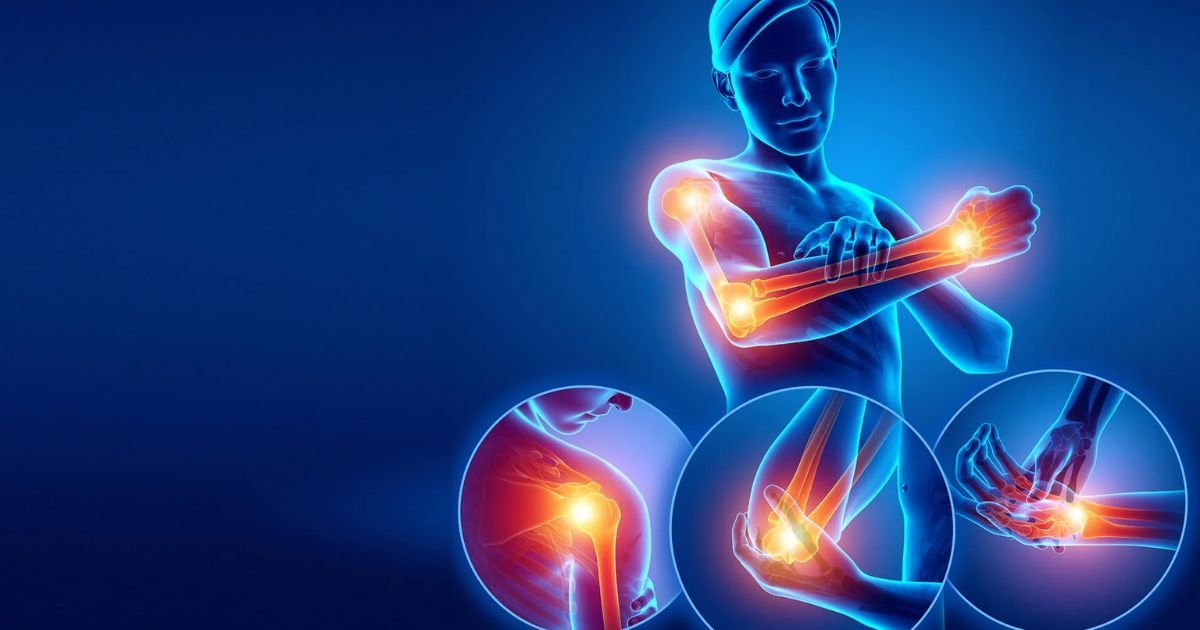
Finding the Best Pain Management in Beaver Falls, PA is important when chronic pain starts affecting your daily life. Back pain, neck pain, sciatica, and joint problems can make walking, working, and sleeping difficult. The right treatment can help you manage symptoms and improve your ability to enjoy everyday activities. A qualified Pain Management Specialist can evaluate your condition, understand your medical history, and recommend suitable Pain Treatment Options.
These may include physical therapy, medication management, injections, or other non-surgical approaches. Every patient has different needs, so a personalized treatment plan is essential. Understanding available Chronic Pain Treatment options is the first step toward better pain control and improved quality of life.
What Is Pain Management and How Can It Help?
Pain management is a medical approach that focuses on reducing discomfort and helping people function better. It can help individuals dealing with injuries, long-term back pain, joint problems, nerve pain, and other conditions.
Chronic pain is generally defined as pain that lasts longer than three months. It may continue even after the original injury or health problem has improved.
The goal of treatment is not always to remove every sensation of pain. Instead, care often focuses on improving movement, sleep, independence, and quality of life.
A specialist looks at the complete picture rather than focusing only on where it hurts. This may include your medical history, physical activity, previous treatments, and how symptoms affect everyday routines.
When choosing a healthcare provider, look for care that considers your individual needs instead of offering the same treatment to every patient.
The National Institute of Neurological Disorders and Stroke explains that care may combine medical procedures, medication, physical therapy, behavioral approaches, and lifestyle changes.
A doctor may begin with a detailed examination and questions about your symptoms. You may be asked when the discomfort started, where it travels, what makes it worse, and whether it affects your sleep or movement.
Some patients may need imaging or other diagnostic tests. However, not every person with discomfort requires an MRI or X-ray.
The doctor decides which tests are useful based on the examination and medical history. An initial consultation can also help you understand previous treatment results and discuss what to try next.
Available services may include conservative care, medication review, rehabilitation, and selected procedures. A suitable treatment plan should explain the purpose of each approach and how progress will be reviewed.
Ask how the provider measures improvement. Better movement, longer sleep, and greater ability to complete daily tasks can be meaningful signs of progress even when some discomfort remains.
What Are the Most Common Conditions Treated by Pain Management Specialists?
Discomfort can come from muscles, joints, bones, discs, or nerves. Some people experience symptoms in one small area, while others notice them spreading into the arms, hips, legs, or feet.
Common conditions include chronic back pain, sciatica, arthritis, neck pain, knee problems, and conditions linked to a herniated disc. Nerve conditions may cause burning, tingling, numbness, or electric-shock-like sensations.
Joint problems may cause stiffness and discomfort during movement. A specialist first tries to understand the source of these symptoms because similar sensations can have different causes.
For example, discomfort traveling down the leg may be related to nerve irritation. Knee symptoms, on the other hand, may come from arthritis, an injury, or another joint condition.
Treatment must match the underlying problem. A general approach may not address the cause of a specific condition.
A local clinic may assess several conditions, depending on the services offered by the practice. People with ongoing symptoms that interfere with daily activities may benefit from a detailed medical evaluation.
A back specialist may evaluate problems involving the lumbar spine, muscles, or nearby nerves. Neck-related conditions may require an examination of the cervical spine.
People with knee symptoms may need an assessment of the joint, while patients with disc-related problems may require further spinal evaluation.
Some conditions require a combination of providers, such as a primary care doctor, physical therapist, orthopedic specialist, or physician specializing in pain care. The most appropriate approach depends on the diagnosis.
A provider should explain when a referral or another type of specialist is needed rather than suggesting that one clinic can treat every condition.
What Are the Best Chronic Pain Treatment Options in Beaver Falls, PA?
There is no single treatment that works for every person with chronic symptoms. The most suitable approach depends on the location of the discomfort, its cause, how long it has lasted, and the patient’s overall health.
Relief may involve several methods used together. These can include guided exercise, physical therapy, medication, selected injections, and support for sleep or daily activity.
For example, someone with persistent lower back discomfort may benefit from a structured movement program and a review of daily lifting habits. Another person with nerve-related symptoms may need a different evaluation and treatment approach.
When choosing a provider, ask whether the treatment plan is based on your diagnosis and functional goals. A good plan should also include a way to review progress and adjust treatment when the original approach does not help.
Physical therapy can help improve strength, flexibility, balance, and movement. A physical therapist may teach exercises that support the muscles around an affected joint or the spine.
The program should match your ability and medical condition. Medication management is another possible part of care.
Depending on the diagnosis, a clinician may discuss non-prescription pain relievers, prescription medicines, topical products, or medicines used for certain types of nerve-related symptoms.
Every medication has possible risks. Some can interact with other medicines or affect the stomach, kidneys, liver, or balance.
Never start, stop, or change a prescribed medicine without discussing it with your healthcare professional. Rehabilitation may also include gradual activity, education, and strategies for managing symptoms during daily life.
The National Institute on Aging notes that treatment plans should be specific to the patient and may combine medication with non-medication approaches.
A thoughtful treatment approach should focus on safe, coordinated care rather than promises of instant relief.
What Are the Best Non-Surgical Back Pain Treatment Options?
Back discomfort is one of the most common reasons people seek medical attention. It may develop after lifting a heavy object, spending long hours sitting, an injury, or a spinal condition.
The lower back carries much of the body’s weight and supports many everyday movements. When muscles, joints, discs, or nerves become irritated, bending and walking may become uncomfortable.
Treatment depends on the source of the symptoms. A doctor may ask whether discomfort stays in the lower back or travels into the buttock and leg.
This distinction can help guide the examination. Lumbar spine problems may involve muscles, discs, joints, or nearby nerves.
Some patients improve with conservative care, while others need additional assessment. Non-surgical treatment can involve more than one method.
The aim is to improve function and reduce symptoms while avoiding unnecessary procedures.
Physical therapy, gradual movement, and clinician-guided medication are common conservative approaches. A therapist may teach exercises that strengthen the abdominal and back muscles while improving flexibility.
A patient may also learn safer ways to lift objects, change positions, and return to daily activities. These steps can support lower back relief, but exercises should be suitable for the person’s condition.
Long periods of bed rest are generally not recommended for many common back-related conditions. Your clinician can advise how much activity is appropriate.
Heat or cold may help some people manage symptoms, although the best option can vary. A specialist may consider further tests when symptoms are severe, persistent, or linked to concerning signs.
Other non-surgical options may include selected procedures when conservative approaches have not provided enough improvement. The right choice depends on the diagnosis, not simply the intensity of discomfort.
What Are the Treatment Options for Sciatica in Beaver Falls, PA?
Sciatica describes symptoms that travel along the path of the sciatic nerve. They often begin in the lower back or buttock and move down one leg.
Some people experience sharp discomfort, while others notice burning, tingling, or numbness. In certain cases, the leg may feel weak.
Sciatica is usually a symptom of another problem rather than a condition on its own. A herniated disc or narrowing around a spinal nerve may contribute to the symptoms.
The exact cause needs to be assessed before choosing treatment. Available options may include conservative care, physical therapy, medication, or selected injections.
People experiencing these symptoms should ask how the provider will identify the source of nerve irritation. A qualified professional can assess the symptoms and explain suitable next steps.
Many people with sciatica improve without surgery. A clinician may recommend a gradual return to normal activity, exercises, and physical therapy.
The therapist may focus on movement, strength, and flexibility while avoiding exercises that make symptoms worse. Treatment for nerve-related discomfort may involve medicines selected for the patient’s symptoms and medical history.
If symptoms continue, a doctor may consider imaging or other tests. Selected patients may be offered an injection to reduce inflammation around an irritated nerve.
However, an injection does not correct every cause of sciatica and may not provide lasting relief. Treatment should therefore begin with an assessment rather than an assumption that all leg symptoms come from the sciatic nerve.
New or worsening leg weakness needs prompt medical attention. Loss of bladder or bowel control or numbness around the groin or saddle area requires emergency evaluation.
MedlinePlus explains that sciatica treatment depends on the underlying cause and that many cases improve with conservative treatment.
How Is Neck Pain Treated Without Surgery?
Neck discomfort can make turning your head, driving, working at a computer, or sleeping uncomfortable. It may develop because of muscle strain, posture, arthritis, an injury, or a problem involving the cervical spine.
Cervical spine conditions can sometimes cause symptoms that spread into the shoulder, arm, or hand when a nerve becomes irritated. These may include tingling, numbness, or weakness.
A clinician will usually ask about the location of the symptoms, how they began, and whether they travel into another area. A physical examination can help assess movement, strength, sensation, and other signs.
Treatment depends on the cause. A qualified provider can help determine whether the symptoms appear muscular, joint-related, or nerve-related before recommending treatment.
Non-surgical care may include physical therapy, activity changes, and medication when appropriate. A therapist may recommend gentle movement and strengthening exercises to improve neck function.
Adjusting workstation height, taking movement breaks, and avoiding prolonged positions may also help some people. Medication choices depend on the patient’s medical history and other medicines.
In selected cases, a specialist may discuss an injection or another procedure. These treatments are not suitable for every type of neck condition.
The doctor should explain the expected benefit, possible complications, and other options. Treatment should be based on the examination and reviewed if symptoms change.
If neck discomfort follows a serious accident or occurs with new arm or leg weakness, difficulty walking, or other serious symptoms, seek prompt medical attention.
When researching local providers, ask whether the clinic evaluates cervical spine conditions and when it refers patients for additional care.
What Are the Best Treatment Options for Knee Pain?
Knee discomfort can affect walking, standing, climbing stairs, exercising, and even getting up from a chair. It may result from arthritis, an injury, tendon problems, inflammation, or changes in the joint.
Some people experience stiffness after sitting. Others notice swelling, tenderness, or discomfort when putting weight on the leg.
Treatment begins with identifying the cause. A clinician may ask when symptoms started and whether the knee locks, gives way, or becomes swollen.
An examination may include checking movement, stability, and tenderness. Imaging may be considered when it is likely to help clarify the diagnosis.
Care should address the condition affecting the joint rather than relying only on temporary symptom relief. Patients should ask whether the provider can explain both conservative and procedural options.
Treatment may include supervised exercise, physical therapy, activity changes, and medication when suitable. Strengthening the muscles around the knee may improve support and movement.
Low-impact activities may be easier for some people than high-impact exercise, but an appropriate activity plan should be discussed with a clinician.
Arthritis care may also involve weight management when relevant, topical or oral medication, and selected injections.
The National Institute on Aging explains that osteoarthritis care may focus on easing discomfort, improving movement, and supporting joint function through exercise, weight management, and medication.
Some patients may need an orthopedic assessment if the joint is badly damaged or symptoms remain severe. A specialist should explain when conservative care is appropriate and when another provider may be more suitable.
A hot, swollen knee with fever or an inability to bear weight after an injury requires prompt medical evaluation.
How Are Herniated Disc and Spinal Pain Treated?
The spine contains bones called vertebrae, with soft discs between them. These discs help cushion the spine and support movement.
A herniated disc occurs when part of a disc pushes through its outer layer. The material may irritate a nearby nerve and cause back discomfort, leg symptoms, or numbness.
A disc in the neck can also cause symptoms that travel into the shoulder or arm. Treatment depends on the location of the disc problem and the symptoms it causes.
A doctor may review your medical history and perform a physical examination. Imaging may be considered when symptoms or examination findings suggest it is needed.
A scan alone does not always explain a person’s symptoms. The findings must be considered alongside the medical history and examination results.
Many people with a herniated disc improve with non-surgical care. Treatment may include physical therapy, gradual activity, and medication selected by a clinician.
A therapist may teach safe movement and exercises that support the muscles around the spine. In some cases, a specialist may discuss an injection to reduce inflammation around an irritated nerve.
Surgery may be considered when symptoms remain severe or when there are signs of significant nerve problems. Treatment should be selected according to the patient’s condition and response to earlier care.
A qualified specialist can help explain these options. Ask whether the provider coordinates care with spine surgeons when needed.
MedlinePlus explains that treatment may include medication, physical therapy, injections, and, for some patients, surgery.
Seek emergency care for new loss of bladder or bowel control, numbness around the saddle area, or rapidly worsening weakness.
Can Epidural Steroid Injections Help Relieve Back Pain?
An epidural steroid injection delivers anti-inflammatory medication into the epidural space around the spinal nerves. It may be considered for certain types of back discomfort that involve irritated or compressed nerves.
For example, some people with symptoms traveling from the lower back into the leg may be assessed for this procedure. It is not a general solution for every type of back condition.
The doctor first reviews the patient’s symptoms, examination, medical history, and any relevant imaging. The procedure may be discussed when other treatments have not provided enough relief and the diagnosis suggests that an injection could help.
Patients considering this option should ask what condition the procedure is intended to treat and what improvement is realistic.
The purpose is usually to reduce inflammation and symptoms for a period of time, not to repair a damaged disc or permanently remove the cause.
The procedure is generally performed in a hospital or outpatient setting by a trained healthcare professional. The treatment area is cleaned, and local anesthetic may be used.
Imaging guidance may help the clinician place the needle accurately. After the injection, patients are usually observed for a short period and given instructions for the rest of the day.
Some people experience temporary soreness. The timing and amount of relief can vary.
Possible risks include infection, bleeding, headache, allergic reaction, or nerve-related complications. The clinician should review individual risks before the procedure.
MedlinePlus notes that epidural injections may offer short-term relief for some people, but they do not cure the underlying cause of back discomfort.
Ask how the injection fits into your wider treatment plan and whether physical therapy or another approach should continue afterward. A careful discussion helps you decide whether the possible benefits are worth the risks.
When Should You See a Pain Management Doctor in Beaver Falls, PA?
You should consider a medical evaluation when symptoms continue, return often, or begin to affect everyday life. Discomfort that interferes with sleep, work, walking, exercise, or household tasks deserves attention.
You do not need to wait until symptoms become unbearable. A healthcare professional can assess new problems and help determine whether they need further investigation.
A specialist may be appropriate when initial care has not helped or when symptoms require a more focused evaluation.
An initial consultation can provide an opportunity to discuss your medical history, previous treatments, and personal goals.
When comparing providers in Beaver Falls, look for clear communication, appropriate medical qualifications, and a willingness to explain treatment choices.
A good provider should discuss what is known about your condition, what remains uncertain, and what steps may be useful next.
Some symptoms need urgent attention rather than a routine appointment. New loss of bladder or bowel control, numbness around the groin or saddle area, or rapidly worsening weakness can indicate a serious spinal problem.
Seek emergency medical care if these symptoms occur. Severe symptoms after a major accident, new difficulty walking, or signs of a serious infection also require prompt assessment.
During a routine appointment, bring a list of medicines, previous test results, and information about treatments you have already tried. Explain what makes the symptoms better or worse and how they affect your day.
Ask the provider which conditions they treat and when another specialist may be needed.
You may also ask about interventional procedures, rehabilitation, medication review, and follow-up care.
The goal of long-term care is to support safer movement and better daily function through a plan that fits your needs.
Understanding Common Pain Treatment Options
Different treatments serve different purposes. Some aim to improve strength and movement. Others may reduce inflammation or change how the body responds to discomfort.
The table below provides a general overview. It is not a personal treatment recommendation. Your clinician can explain which options may be suitable for your diagnosis and health history.
| Treatment approach | What it may involve | Main purpose |
|---|---|---|
| Physical therapy | Guided exercises, movement training, and strengthening | Improve mobility and function |
| Medication management | Review of suitable prescription or non-prescription medicines | Manage symptoms safely |
| Activity changes | Adjusting movements, work habits, and daily routines | Reduce strain and support recovery |
| Epidural steroid injection | Medication delivered into the epidural space | Reduce inflammation around selected spinal nerves |
| Joint injections | Medication placed into or around a joint when appropriate | Manage symptoms in selected joint conditions |
| Rehabilitation | A structured approach to activity and coping skills | Support daily function and independence |
| Specialist evaluation | Medical history, examination, and selected testing | Identify possible causes and guide treatment |
Finding Appropriate Pain Management Services Near Beaver Falls
If you live in Beaver Falls or a nearby community, location may be one factor when choosing a provider. However, convenience should not be the only consideration.
You should also understand the provider’s qualifications, the conditions they evaluate, and the services they actually offer.
A local clinic may provide consultations, medication review, rehabilitation coordination, or selected procedures. Services vary between practices, so confirm availability directly instead of assuming every clinic offers the same treatments.
When looking for care near Beaver Falls, review the provider’s experience with your particular condition. Someone with sciatica may need a different type of evaluation from someone with arthritis-related knee symptoms.
Ask whether the practice accepts your insurance and whether a referral is required.
A qualified specialist should explain the diagnosis and treatment options in language you can understand. You should feel comfortable asking questions about risks, expected benefits, costs, and follow-up appointments.
If a procedure is suggested, ask why it is appropriate and whether conservative options remain available. A trustworthy healthcare professional will not promise a guaranteed result.
Instead, the provider should explain what the treatment may achieve and how progress will be measured.
Focus on a provider who values informed decisions and individual care. A clear plan can help you understand what happens next and when the treatment approach may need to change.
Conclusion
Chronic symptoms can affect your movement, sleep, work, and ability to enjoy everyday life. However, you do not have to manage persistent discomfort without professional guidance.
Understanding the cause of your symptoms is an important first step. Back problems, sciatica, neck conditions, knee issues, arthritis, and herniated discs may require different approaches.
Treatment can include physical therapy, medication management, lifestyle changes, rehabilitation, or selected medical procedures. The most suitable option depends on your diagnosis, health history, and personal goals.
When researching the Best Pain Management in Beaver Falls, PA, look beyond promises of quick relief. Choose a qualified provider who listens to your concerns, explains the available options, and creates a plan based on your needs.
Ask questions before starting medication or undergoing a procedure. Understand the possible benefits, risks, and alternatives.
With appropriate assessment and ongoing care, many people can work toward better movement and improved daily function. If symptoms are affecting your life, consider arranging an appointment with a qualified healthcare professional to discuss your concerns and next steps.
Frequently Asked Questions
What Is the Best Treatment for Chronic Pain?
There is no single treatment that works for everyone. The right approach depends on the cause, location, duration, and severity of the symptoms.
A treatment plan may combine physical therapy, medication, activity changes, rehabilitation, or selected procedures. A healthcare professional can help identify suitable options.
When Should I See a Pain Management Doctor in Beaver Falls, PA?
Consider an appointment if symptoms continue for several weeks, keep returning, or affect your sleep, work, or movement. You may also benefit from an evaluation when earlier treatment has not helped.
Seek emergency care for serious symptoms such as new loss of bladder or bowel control or rapidly worsening weakness.
Can Back Pain Be Treated Without Surgery?
Yes. Many back-related conditions can be managed without surgery.
Depending on the cause, treatment may include physical therapy, gradual activity, medication, and other conservative approaches. Some patients may also be considered for injections.
A clinician should assess the cause before recommending treatment.
Are Epidural Steroid Injections Used for Sciatica?
They may be considered for selected patients whose symptoms are linked to irritation or inflammation around a spinal nerve.
The procedure does not work for every cause of sciatica and does not repair a herniated disc. A specialist can explain the possible benefits and risks.
What Causes a Herniated Disc?
A herniated disc occurs when part of the soft material inside a spinal disc pushes through its outer layer. It may irritate nearby nerves and cause back symptoms, leg discomfort, or numbness.
Age-related disc changes and physical strain can contribute. Diagnosis depends on symptoms and medical evaluation.
Can Knee Arthritis Be Managed Without Surgery?
Many people manage knee arthritis through exercise, physical therapy, activity changes, medication, and selected injections.
The appropriate approach depends on joint symptoms and the degree of damage. Some people may need an orthopedic evaluation if symptoms and mobility problems remain severe.
What Should I Bring to My First Consultation?
Bring your current medication list, previous imaging reports, relevant medical records, and details about earlier treatments.
Be ready to explain when the symptoms began, where they occur, and what makes them better or worse. This information can help the clinician understand your condition.
How Do I Choose a Local Clinic?
Check the provider’s qualifications, experience, treatment services, communication style, and insurance arrangements.
Ask whether the clinic evaluates your specific condition and whether it coordinates care with other specialists when needed. Choose a provider who explains treatment options clearly and respects your questions.
Does Chronic Pain Always Require Medication?
No. Medication is only one possible part of long-term care.
Some people may benefit from physical therapy, rehabilitation, activity changes, behavioral approaches, or selected procedures. A clinician can help determine whether medication is appropriate and discuss its possible risks.
Can Chronic Pain Go Away Completely?
Some people recover fully, while others continue to experience symptoms over time. The outcome depends on the underlying condition and individual health factors.
Treatment may still improve sleep, movement, and daily activities even when discomfort does not disappear completely.
Medical information note: This article is for general educational purposes. It does not replace an examination, diagnosis, or treatment advice from a qualified healthcare professional.